


Project Description
The first U.S. patent of any kind was issued in 1790 to Samuel Hopkins for an improvement “in the making of Pot ash and Pearl ash by a new Apparatus and Process”
Patent & Design Drawings
“The patent system adds the fuel of interest, to the fire of genius, in the discovery and production of new and useful things”
Patent & Design Drawings
The first U.S. patent of any kind was issued in 1790 to Samuel Hopkins for an improvement “in the making of Pot ash and Pearl ash by a new Apparatus and Process”
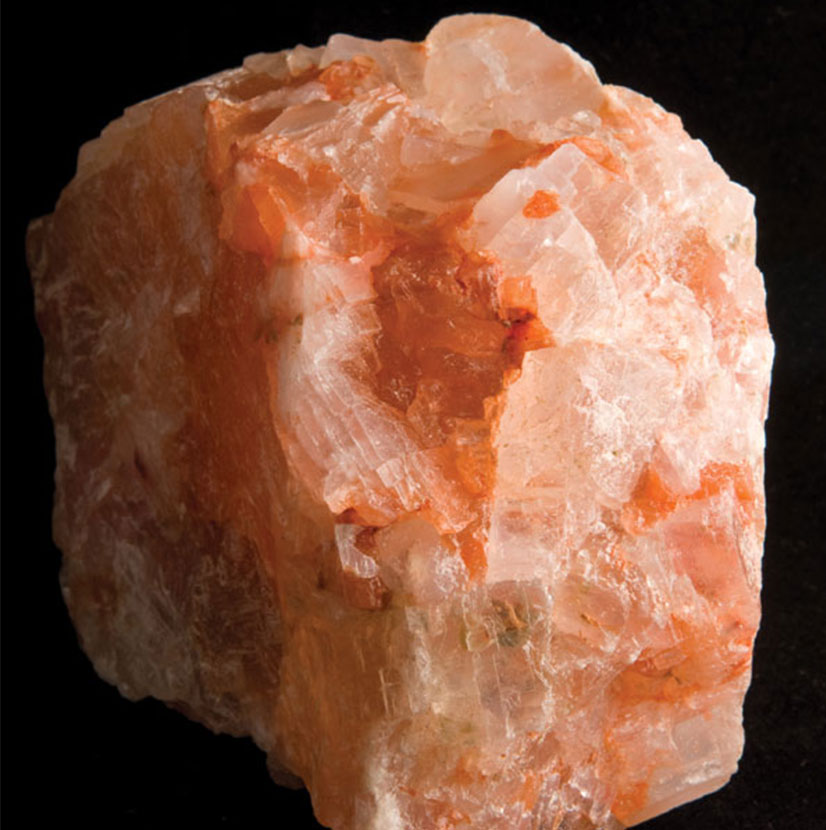
“The patent system adds the fuel of interest, to the fire of genius, in the discovery and production of new and useful things”
Working closely with patent attorneys, we are the guys that bring your concepts to life through illustrations. If you can imagine it, we will illustrate it for you. We have years of experience in the patent game and have illustrated thousands of them.
WHY PROFESSIONAL PATENT DRAWINGS ARE IMPORTANT
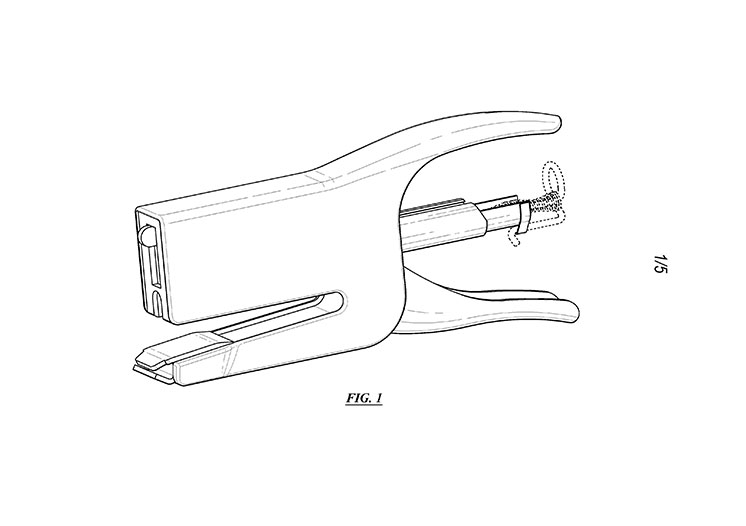
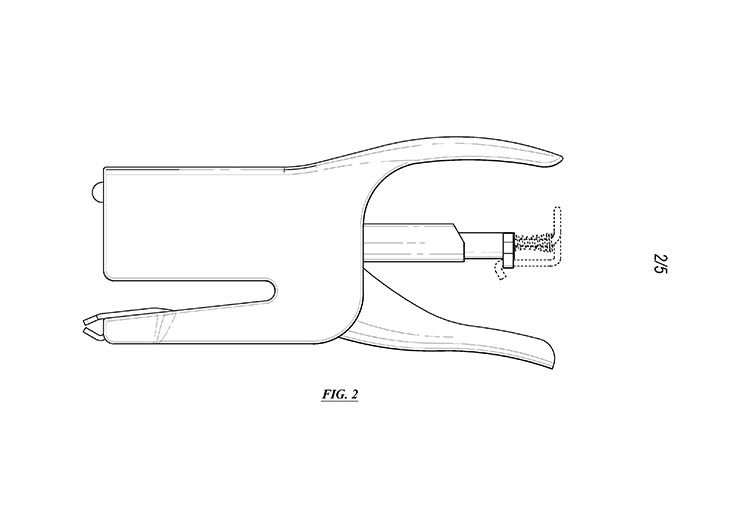
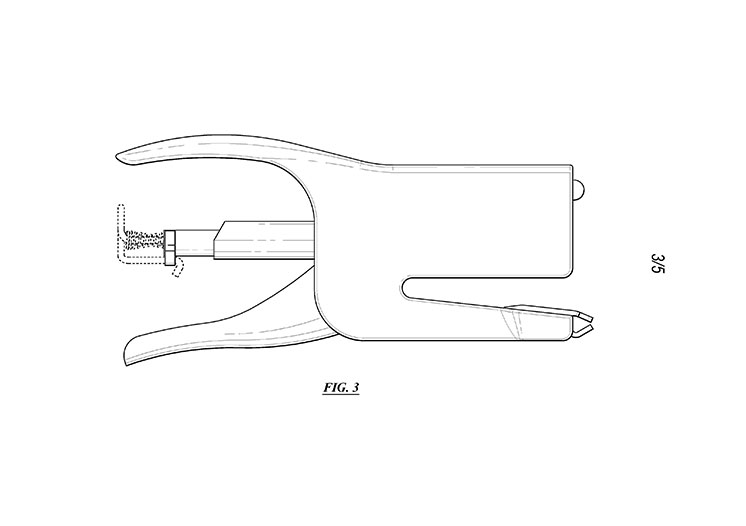
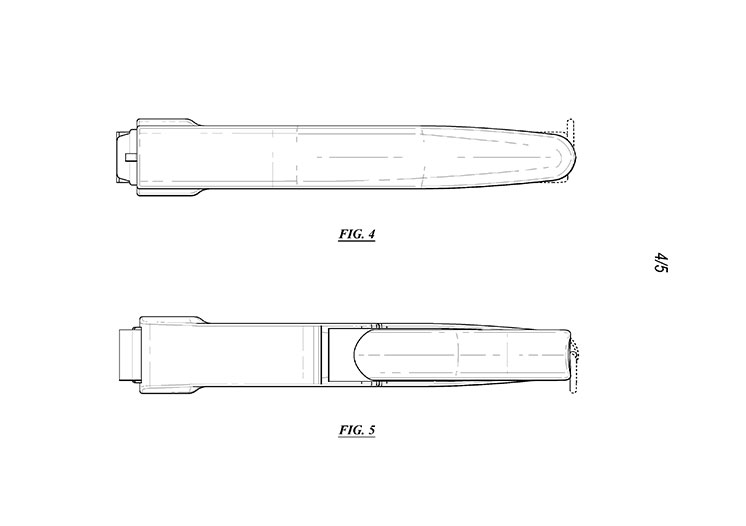
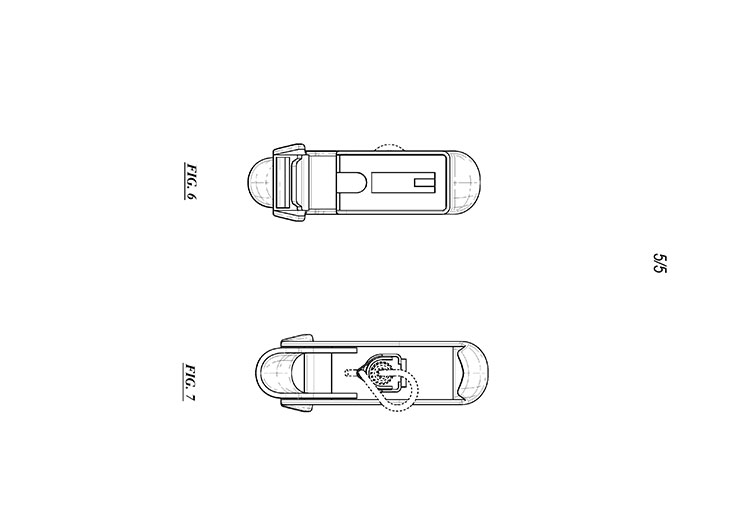
Patent drawings are the most visual and easily understood part of a patent specification. It is often (if not always!) the first thing people look at when reading a patent specification. Good drawings describe the invention simply and accurately. The main goal of the patent draftsman to make sure that this objective is achieved.
Filing a patent application can be a costly process. When faced with the option of having patent drawings done professionally, it is easy to dismiss it as an unnecessary luxury. It may save cost in the short term, but it can have a devastating long-term consequence. Once a patent is granted it is set in stone. If there are any cracks in your foundation it may one day come crumbling down.
There are a few things one must consider when deciding whether you are going to have your patent drawings done professionally. Below are a few obvious and less obvious points to consider:
- GOOD DRAWINGS EXPLAIN THE INVENTION SIMPLY AND EFFICIENTLY – The old cliché “a picture says a thousand words” rings true here. But it may even be said that drawings can say something that words cannot say. Consider how long it would take to read a thousand words versus “reading” a drawing. Drawing is the only universal language that is understood by everyone, young and old, expert or laymen, regardless of the person’s mother tongue. Good quality drawings enhance the readability of the patent specification and as a unit makes the invention easier to understand.
- PATENT DRAFTSMEN HAS INDUSTRY-KNOWLEDGE – Patent draftsmen have a good understanding of the requirements of several patent offices. Their knowledge combined with the knowledge of the patent attorney greatly reduces the likelihood of Office Actions. Office Actions can lead to substantial costs and delays.
- PROTECT YOUR TRADE SECRETS – Drawings prepared in a drawing office may contain a great deal of proprietary and sensitive information. While it is important that your design team and manufacturer knows this information, it can cause great damage in the hands of your competitors (should they get a copy of your patent specification after grant). Patent drawings should focus on the crux of the invention and should avoid disclosing any information that does not add to the understanding of the invention.
- DRAWINGS SHOULD BE FIT-FOR-PURPOSE – The purpose of patent Illustrations is to describe a concept as wide as possible and is intended for a wide audience in terms of skill and understanding. Technical drawings are used for manufacturing and contain very precise information that is specifically meant for the manufacturer. This can directly influence the flow and coherence of the specification. In patent drawings the clarity of the invention is more important than its technical correctness. Patent drawings should support the specification, and not the other way round.
- COST EFFECTIVE – Consider the dual cost of preparing patent drawings by the client. Sometimes patent drawings require a fair amount of back-and-forth communication between the patent attorney and client, particularly when a draftsman is unsure of what is required. It is the difference between driving a car and using public transport to reach your destination.
- SHORTER LEAD-TIME – A professional patent draftsman has an intuitive understanding of the drawings a patent attorney require, particularly if they have a long working relationship. This prevents unnecessary correspondence due to misunderstandings and lengthy delays for amending drawings.
- ENHANCE THE STRENGTH OF THE PATENT SPECIFICATION – No-one wants to go to court, but it happens from time to time. And when that happens, you do not want to end up on the short end of the stick. It is therefore particularly important that the drawings are accurate and easy to read. It would be incredibly sad indeed if your case is compromised not because your patent is not strong, but because a judge has difficulty in understanding poor quality drawings. Good drawings can strengthen your case, bad drawings can destroy it.
- AESTHETICS – Patent documents can be dreadfully boring. Beautiful drawings enhance the aesthetic quality of the specification and can make a specification a little more interesting to read (if only a little!) and rounds the document off elegantly.
Patent Illustrators form an integral and important part in the creation of the patent specification. Drawings greatly enhance the quality a specification, both technically and aesthetically, and forms a crucial part of protecting your intellectual property.
Want to know if we can help you?
On your keyboard, play the following tune: hello@southpaw.co.za
to find out if we dance to the same music.
Subscribe to be the first to find out about when our stock patent drawings and CAD-blocks are available for purchase
We will process the personal data you have supplied in accordance with our privacy policy.